
"solar coffee machine"
800 article(s) found
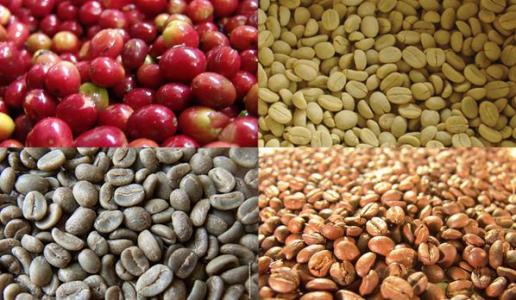
Flavor characteristics of Brazilian coffee beans in Brazilian half-sun treatment story of Brazilian coffee beans
Description of flavor acidity of sun treatment and Brazilian half-sun A brief introduction to the acidity of coffee fields in Brazil, most of them are harvested mechanically in order to achieve economic benefits. When 75% of the coffee fruit in the coffee garden turns red, it starts to be harvested mechanically, followed by the same pre-operation of washing, moving into the sink to remove the floating beans, sifting out the sunken beans, and then using a large pulp screening machine to dig out the pulp and take it out.
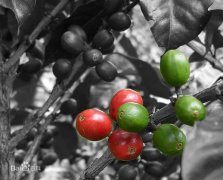
Understand Brazilian Coffee and enter Brazilian boutique Coffee products
It is unique that growers from each producing area will study and develop local processing techniques according to the characteristics of the local environment, and it is Dangdu's unique raw bean processing technology that makes coffee tastes different from one place to another. The treatment of raw beans is like the brewing process of beer, different methods will lead to different tastes of coffee. Most of us are right about ourselves.

What are the different methods of coffee treatment? what are the differences in the flavor of coffee?
Tanning is a traditional method for the initial processing of coffee beans, and at present, almost all coffee-growing countries such as Ethiopia and Yemen still use solarization to treat raw beans. The sun treatment will first spread the ripe or half-ripe beans in the drying farm for natural drying. The specific time depends on the local climatic conditions, which usually takes two to four weeks. When the moisture of coffee beans

Special Topics on anaerobic Solar treatment of Huangkaduai Cinnamon Fruit Wine in Costa Rica
Professional coffee knowledge exchange more coffee bean information please follow Coffee Workshop (Wechat official account cafe_style) Costa Rica Finca La Ortiga Costa Rica Ojali Manor Origin: Tara Pearl Tarrazu Manor: O'Carrie Manor Finca La Ortiga Variety: Huangkaduai Yellow Catuai altitude: 1750 m treatment: anaerobic Solar Costa

Introduction to the producing areas of the characteristics of Grinding degree by the Flavor description treatment of Ethiopian Solar Sidama Coffee
Kaibedo is a small coffee cooperative in a small town in Dala, Sidamo Province. each small coffee farmer here has an average planting area of about 0.6 hectares and is composed of hundreds of coffee farmers. it is planted nearly 2000 meters above sea level, the climate varies greatly, and the soil is fertile, providing an excellent growing environment, and the raw bean itself exudes a strong aroma of raisins and fermented wine. Near
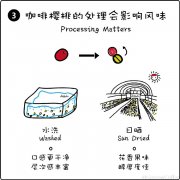
Coffee bean treatment: honey treatment
Semi-washing (semi-lavado), also known as honey, miel, is actually a combination of tanning and water-washing fermentation to treat raw beans. First remove the peel and pulp of coffee, and then, according to the need, decide whether to use a pectin removal machine (desmucilaginador) to remove pectin, or how much pectin to remove, and finally dry the raw beans with shells by sun drying or machine drying or both.

How does the Ethiopian Sidamo sun taste good? What is solarization?
What is the flavor of the sun? Sun flavor is usually a vague term, which is not only the elegant fragrance of the people who like it, but also the strange taste of the people who don't like it. Even if he is a coffee glutton, he can conclude that the coffee beans are made from the sun, but he will hesitate to say what the sun flavor is. Insolation

What is the treatment of raw coffee beans? how long can raw coffee beans be stored?
Raw coffee beans can be treated by natural washing, and unroasted beans can be stored in a sealed place without direct sunlight. The fruit begins the process of sun drying without treatment after picking. This is the oldest method of treatment in existence. This method is still used in places such as Ethiopia and Brazil. Natural solarization

What is the honey treatment of coffee? what are the characteristics of coffee beans treated with honey? what is the reason for coffee leucorrhea?
1. Natural solarization (Natural/Dried-in-the-Fruit): the process of this method is the simplest. The fruit begins the process of sun drying without treatment after picking. This is the oldest method of treatment in existence. This method is still used in places such as Ethiopia and Brazil. Natural solarization is most common in areas where water resources are scarce. The process of drying is usually

Brazil Yellow bourbon Shenmu Manor-Solar COE third Runner-up Bean Flavor description
Professional coffee knowledge exchange more coffee bean information please follow Coffee Workshop (Wechat official account cafe_style) Manor: Brazilian Coffee Manor-Santeo * Shenmu Manor: Minas Gerais varieties: Huang Bo Haiba: 1200 m treatment: peel sun fermentation in all coffee producing countries, Brazil has the most advantageous landforms and weather strips.

Introduction to the taste of Brazilian yellow bourbon caffeine brand characteristics and flavor description
Based on the monotonous climate of Brazil, Brazilian research units have developed a half-sun method to shorten the processing time. After removing the pulp, the coffee fruit will be exposed to the pectin-coated pods for one to three days, and then machine-dried to a moisture content of 12%, which can be put into a storage container. The Brazilian half-sun method greatly shortens the work time (the traditional sun method takes two to three weeks), and also reduces coffee bean dyeing.

Dry Proces Coffee Bean Solar process explain the characteristics of Solar Coffee Bean
Professional coffee knowledge exchange for more information about coffee beans, please follow the coffee workshop (Wechat official account cafe_style) sun Natural Processed/Sundried/Dry process. By convention, before starting to look at the treatment, all readers need to have a basic understanding of the structure of the coffee fruit in order to know: which part has what effect? Which part is there?

Popularization of professional coffee knowledge | what is honey treatment?
Let's analyze each method of raw bean treatment one by one: 1. Natural solarization (Natural/Dried-in-the-Fruit): the process of this method is the simplest. The fruit begins the process of sun drying without treatment after picking. This is the oldest method of treatment in existence. This method is still used in places such as Ethiopia and Brazil. The natural solarization method is used in
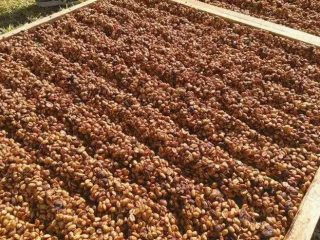
What's the relationship between honey treatment and semi-sun treatment? What is the reason for the invention of semi-solarization.
The first use of honey treatment in Costa Rica, El Salvador and other Central and South American countries, its invention inspired by Brazil's semi-sun method (peeling sun). Brazil's semi-solarization came into being because Brazil's green beans were treated mainly by traditional solarization, and its quality was better than Africa's elevated solarization at the same time.

Is there a big difference between coffee tanning and washing? a brief introduction to the characteristics of Arabica coffee beans
Professional coffee knowledge exchange more coffee bean information please follow the coffee workshop (Wechat official account cafe_style) front street-coffee sun, washing a brief introduction to a variety of treatment methods, the purpose is the same, is to peel beans. Due to the economic considerations of the cost, as well as different natural environmental conditions such as climate, the process of collecting beans may not be the same, but the process

Description of Flavor of g1Aricha Coffee Bean with Solar Snow Flavor
Description of the flavor of sun-cured g1Aricha coffee beans the characteristics of the variety Yega Xuefei is produced in the Kebel Aricha processing plant. There are about 650700 small coffee farmers nearby. Farmers will send ripe coffee berries here for processing and cash. After the treatment plant screened the available berries, they were directly exposed to the sun on the scaffolding and turned every 2-3 hours in the first few days.

The automatic coffee machine still doesn't know how to use it and take care of it.
More and more coffee experts are familiar with the beauty of automatic coffee machines and mirrors. at that time, they enjoyed a fully active coffee machine on the beach to make freshly ground coffee, which was only a patent enjoyed by foreigners and pain sensations. the office coffee machine has become a first-aid kit to bid farewell to customers and improve the welfare of solar activities. So whether it's office space, aurora, library,

Treatment of coffee beans Coffee beans treated with honey
We know that the three treatment methods of raw coffee beans can be divided into three types. The distinction between each method is based on the fact that several layers of matter are removed from the fruit before the coffee is dried. The following is a list of the three major processing methods: 1. Natural sun treatment: retain all substances 2. Honey treatment: remove the peel and pulp and retain part or all of the mucous membrane (honey) 3. Washing method

[sun, water washing, honey treatment] effects of different coffee bean treatments on coffee flavor
Professional coffee knowledge exchange more information about coffee beans Please pay attention to the coffee workshop (Wechat official account cafe_style) coffee beans are not born dark brown beans. Coffee fruit is shaped like a red cherry fruit, each fruit has two coffee beans, the coffee fruit, coffee beans after processing, will be what we usually see. The production of a cup of coffee includes harvesting and processing.